



Centre for IMPACT Annual Meeting 2025
The Third Centre for IMPACT Annual Meeting took place from 24 to 26 November 2025 at Hidden Hills Hotel and Resort in Mansehra, Pakistan bringing together more than 110 researchers, practitioners, and partners from 13 organisations across four countries. Over three days, participants engaged in research-focused discussions, collaboration, and shared learning, highlighting evidence-based work on non-communicable diseases and mental health in low-resource and conflict-affected settings. The sessions emphasised community-centred research, implementation science, and policy engagement, reinforcing the importance of translating research findings into meaningful and sustainable impact. The meeting also offered a valuable platform for early- and mid-career researchers to share their work and engage with senior leaders in global health.
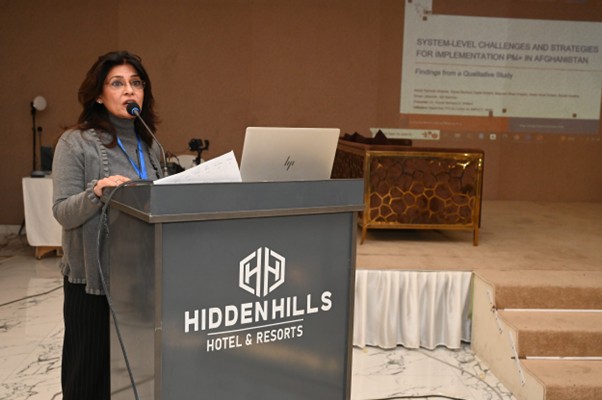


Dr. Amina Khan led sessions on mental health implementation, sharing key insights on scaling psychological interventions and improving links between research and policy. Mr Ali Kamran Baba highlighted the role of dissemination of research findings and knowledge exchange in achieving sustainable impact, while Dr. Sheraz Khan shared practical experiences of stakeholder engagement from vaccination and health systems research. Ms Maham Zahid contributed to discussions on community-led diabetes research through participatory learning and action approaches, and Ms Fakiha Tus Salam reflected on contextual factors influencing the implementation of collaborative care. The meeting also highlighted progress under the SPiRiT-D project, which aims to implement a collaborative care model for depression in resource-constrained primary healthcare settings in Pakistan, reaffirming the Centre’s commitment to strengthening mental health systems through evidence-based and scalable solutions.
About center of impact
The Centre works to improve mental and physical health in Afghanistan and Pakistan by reducing premature deaths and disabilities caused by non-communicable diseases. Our focus includes common mental disorders such as depression and anxiety, alongside cardiovascular disease and diabetes, ensuring equal priority for mental and physical health. We evaluate evidence-based prevention and treatment approaches for populations most at risk, while strengthening research capacity by training the next generation of researchers particularly women scholars and promoting the use of high-quality research to inform health policy and practice.
 English